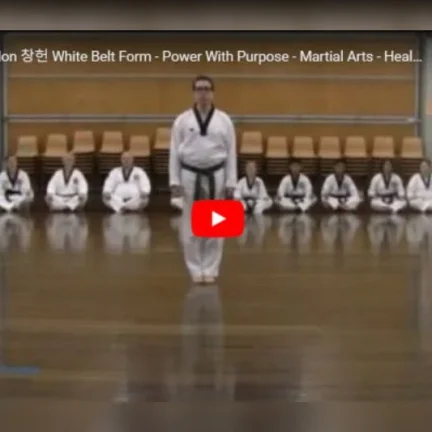
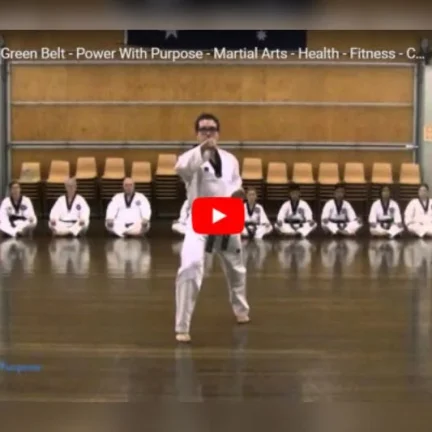
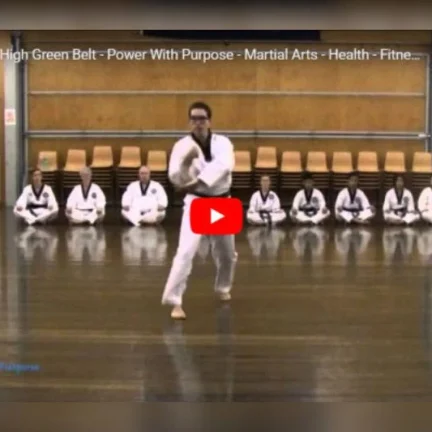
Taekwondo Taegeuk 4
The symbol of Taegeuk four “Sah Jang” is Jin, meaning thunder, symbolizing great power and dignity. Through this form, the practitioner must develop a calm mind that can stand strong in the face of danger.
Read More On
On 
An incredible community and teachers. Our kids have been a part of this wonderful group for the past 7 years.
We have been coming to this school for over 3 years now. Sir Michael has gone out of his way in the past to help our kids with individual issues they were working through . The instructors are wonderful and the classes have a very inclusive atmosphere. They teach kids not just about taekwondo but also about a healthy mindset which is so important.
We’ve been sending our kids to Power with purpose for about a year now. Michael and team have a great way of teaching kids TKD techniques. More importantly they help grow our kids confidence. Very happy with the classes and happy to recommend.
My kids have been attending TKD classes with Michael and his sons for a number of years. The positive environment, discipline, physical exercise and fun they have at Power with Purpose is an important part of their growth and development. Highly recommended.
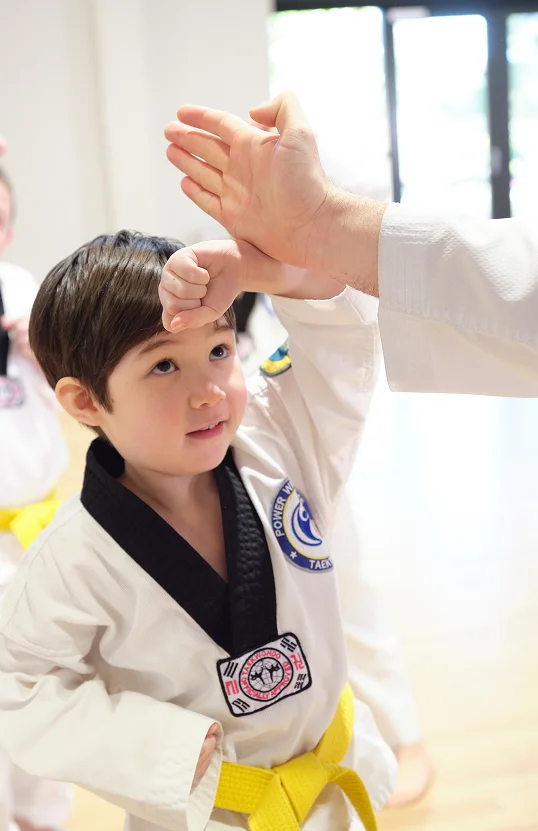
The tutorials are designed to support students outside of class by helping them revise techniques, patterns, and fundamentals. They are intended to complement regular training, not replace in-person or online classes.
Tutorials are suitable for Power with Purpose students of different ages and experience levels. Instructors may recommend specific tutorials depending on a student’s grade, goals, or areas they are working on.
Yes. Beginners can use tutorials to familiarise themselves with basic movements, terminology, and expectations. However, hands-on instruction during class remains essential for proper technique and safety.
No. Tutorials are a learning aid only. Progress, correction, and personal development happen primarily through guided training with instructors during scheduled classes.
This depends on the individual student. Some use tutorials occasionally for revision, while others use them regularly to practise patterns or techniques between classes. Quality practice matters more than frequency.
If you’re unsure which tutorial to follow, ask one of your instructors for guidance. They can recommend resources that best match your current grade and training focus.

© Copyright Power with Purpose 2026. All Rights Reserved. Website by Brilliant Digital.